TCD and Physiologic Vascular Reimbursement: 2025 CPT and ICD-10 Codes
Reimbursement is one of the most important—and most searched—topics in vascular diagnostics. Hospitals, vascular labs, and cardiology practices not only need accurate, non-invasive tools like Transcranial Doppler (TCD) and physiologic vascular testing, but they also need to ensure their services are properly billed, coded, and reimbursed.
With the release of 2025 CPT and ICD-10 updates, providers have more clarity than ever to justify medical necessity, align documentation with payer requirements, and optimize revenue while delivering life-saving care.
At Image Monitoring USA, we support clinicians with both technology—through the Dolphin TCD and Falcon PVD systems—and resources for navigating the reimbursement landscape.
2025 CPT Codes for Transcranial Doppler (TCD)
Primary TCD CPT Codes
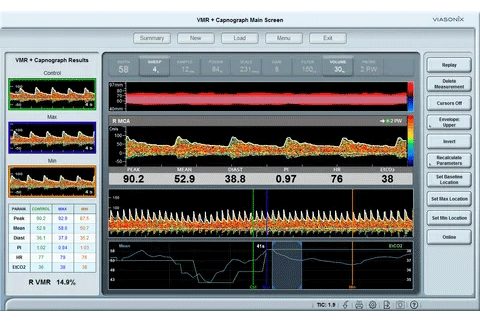
- 93886 – Transcranial Doppler study of intracranial arteries; complete study
- 93888 – TCD of intracranial arteries; limited study
- 93892 – Emboli detection without IV microbubble injection
- 93893 – Emboli detection with IV microbubble injection
Add-On Codes (billed with CPT 93886)
- +93896 – Vasoreactivity study with complete TCD
- +93897 – Emboli detection without IV microbubble, performed with complete TCD
- +93898 – Venous-arterial shunt detection with IV microbubble injection
These codes expand billing opportunities and recognize the growing role of emboli detection, shunt identification, and vasoreactivity studies in stroke prevention and intraoperative monitoring.
ICD-10 Codes Supporting TCD
Appropriate diagnosis codes are required to demonstrate medical necessity. Commonly used categories include:
- Cerebrovascular Conditions & Stroke: G45.9 (TIA, unspecified), I63.9 (Cerebral infarction, unspecified), I67.2 (Cerebral atherosclerosis)
- Brain Disorders & Ischemia: G93.82 (Brain death), I67.82 (Cerebral ischemia), I67.848 (Other cerebral vasospasm)
- Embolism & Thrombosis: I72.6 (Embolism and thrombosis of other arteries), I76 (Septic arterial embolism)
- Traumatic & Post-Surgical: S09.0XXA (Head vessel injury), S15.111A (Carotid laceration, right, initial)
Physiologic Vascular Testing CPT Codes
93922 – Limited Physiologic Studies
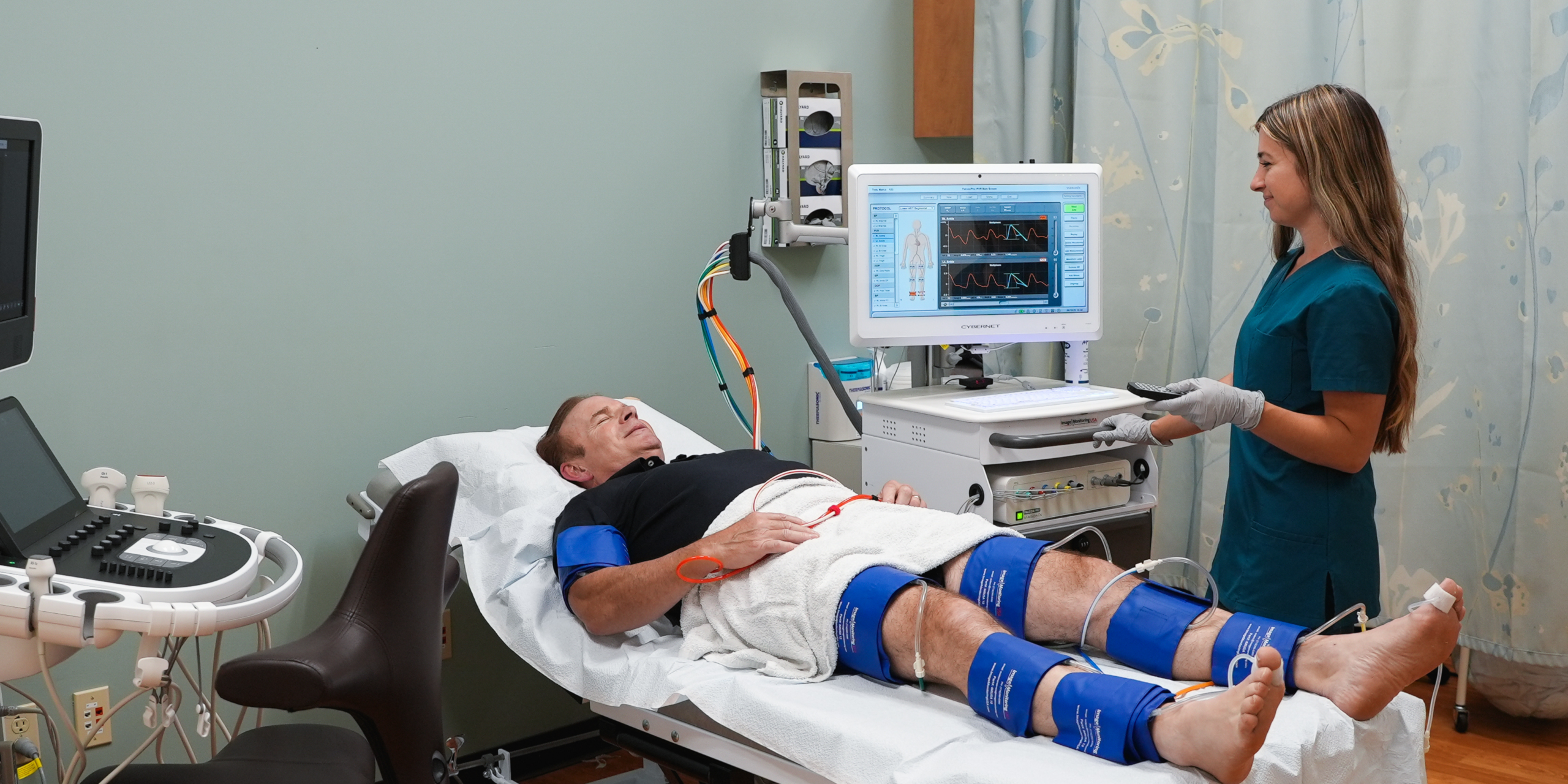
- Non-invasive Doppler waveform or PVR with pressures at DP/PT.
- Use for: Claudication, edema, suspected PAD.
- ICD-10 examples: I70.211 (Atherosclerosis with claudication, right leg), R02 (Gangrene, unspecified).
93923 – Complete Physiologic Studies
- Comprehensive exam at multiple levels. Includes upper arterial tests like Thoracic Outlet (TOS) or AV Fistula Steal exams.
- Use for: Thorough PAD evaluation, disease progression.
- ICD-10 examples: I70.213 (Atherosclerosis with rest pain, right leg), I73.9 (Peripheral vascular disease, unspecified).
93924 – Physiologic Testing with Exercise or Hyperemia
- Measures arterial response under stress.
- Use for: Exercise-induced claudication, vascular insufficiency differentiation.
- ICD-10 examples: I70.214 (Atherosclerosis with rest pain, left leg), I73.00 (Raynaud’s, unspecified).
93050 – Arterial Pressure Waveform (PWV Testing)
- Assesses arterial stiffness via waveform analysis.
- Use for: Hypertension, diabetes, cardiovascular risk stratification.
- ICD-10 examples: I10 (Essential hypertension), E11.9 (Type 2 diabetes, no complications).
Key Reimbursement & Billing Considerations
- Medical Necessity: ICD-10 code selection must align with clinical indications in the chart.
- Multiple Procedure Payment Reduction (MPPR): If CPT 93922 and 93050 are billed on the same day, payment for the second service may be reduced (typically 75%).
- Modifiers: Use -59 for distinct procedural services when tests answer different clinical questions or are performed at separate anatomical sites.
- Toe PPG & TBI: Recommended for diabetic patients and cases with ABI >1.4 due to arterial calcification.
👉 For state-specific reimbursement amounts, see the CMS Medicare Fee Schedule Search.
Why Reimbursement Clarity Matters
Correct reimbursement ensures providers can:
- Deliver early detection of PAD, stroke risk, and cerebrovascular disease.
- Improve patient outcomes through timely intervention.
- Maintain financial sustainability for their practice or lab.
- Expand access to non-invasive diagnostics like Dolphin TCD and Falcon PVD.
By pairing clinical excellence with billing accuracy, providers can ensure patients receive the life-saving care they need—without unnecessary administrative roadblocks.
Disclaimer
The information provided in this document is for informational purposes only and is not intended as legal, medical, or billing advice. Image Monitoring USA, its employees, and associates make no guarantees, representations, or warranties regarding the accuracy, completeness, or applicability of the CPT codes, reimbursement policies, or billing guidelines provided herein.
It is the sole responsibility of the healthcare provider, billing professional, or institution to ensure compliance with all applicable laws, regulations, and payer policies, including but not limited to those set forth by Medicare, Medicaid, private insurers, and other regulatory agencies. Reimbursement amounts and coding requirements are subject to change, and we strongly recommend consulting the American Medical Association (AMA), Centers for Medicare & Medicaid Services (CMS), and individual insurance carriers for the most up-to-date and accurate information.
Image Monitoring USA disclaims all liability for any errors, omissions, or financial losses resulting from the use or reliance on the information in this document. By using this information, you acknowledge that Image Monitoring USA, its employees, and associates are not responsible for any claim disputes, denied reimbursements, or legal consequences arising from coding or billing practices.
For specific guidance, please consult a certified medical coder, healthcare attorney, or reimbursement specialist.