The Role of TCD in Stroke Prevention
Stroke remains one of the leading causes of long-term disability and death worldwide. Early detection and intervention are critical in reducing risk and improving patient outcomes. One of the most effective tools in the fight against stroke is Transcranial Doppler (TCD) ultrasound. This non-invasive, cost-effective technology allows clinicians to monitor cerebral blood flow in real time, providing valuable insights for stroke prevention and management.
What is Transcranial Doppler (TCD) Ultrasound?
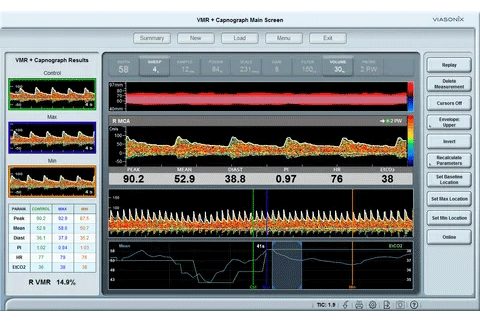
Transcranial Doppler ultrasound is a diagnostic technique that uses sound waves to measure the velocity of blood flow through the brain’s major arteries. By detecting abnormal flow patterns, clinicians can identify risks such as:
- Emboli formation (blood clots traveling to the brain)
- Vasospasm (narrowing of blood vessels following subarachnoid hemorrhage)
- Intracranial stenosis (narrowing of cerebral arteries)
- Microembolic signals that may precede a transient ischemic attack (TIA) or stroke
Because TCD can be performed quickly and without radiation or contrast dye, it is an ideal tool for both acute stroke evaluation and long-term stroke prevention strategies.
Why TCD Matters in Stroke Prevention
Stroke prevention often hinges on early detection. In many cases, TCD ultrasound identifies blood flow abnormalities before symptoms appear, giving providers a chance to intervene before irreversible damage occurs. By alerting clinicians to the presence of microembolic signals or reduced blood flow, TCD plays a proactive role in:
- Preventing secondary strokes in high-risk patients
- Guiding antiplatelet and anticoagulant therapy
- Monitoring post-surgical recovery following carotid endarterectomy or stenting
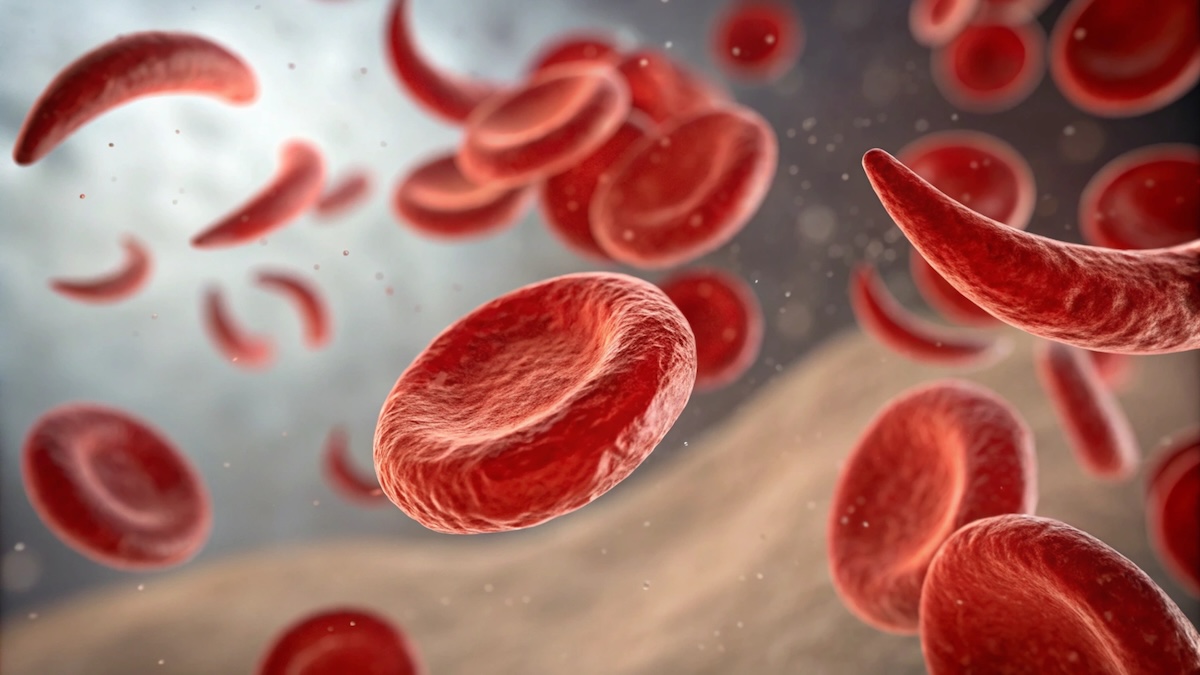
- Assessing patients with sickle cell disease, who face elevated stroke risks
Advanced TCD Technology: The Dolphin TCD System
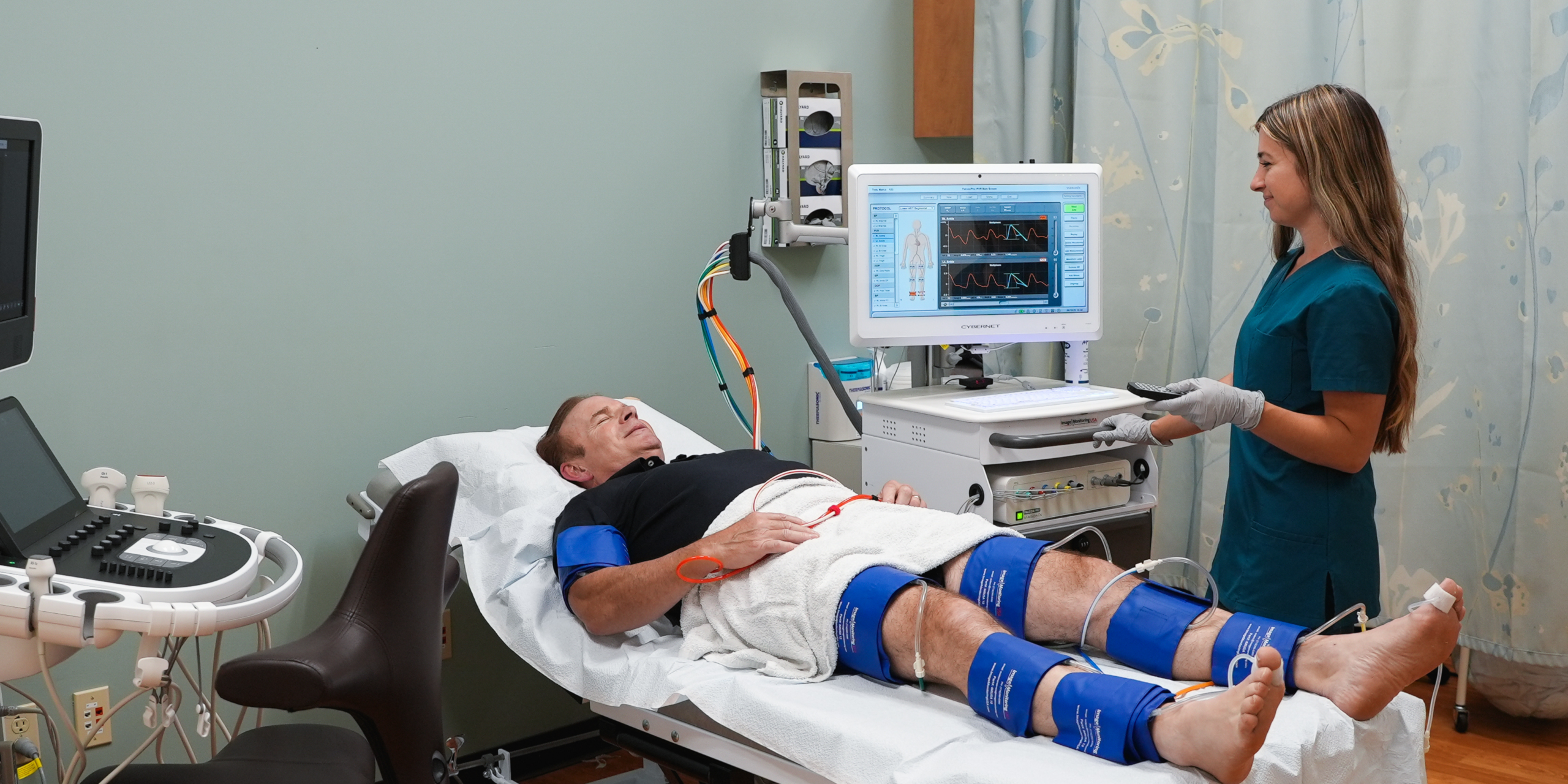
Image Monitoring USA provides innovative solutions for vascular diagnostics, including the Dolphin TCD system. This state-of-the-art technology sets a new standard in cerebrovascular monitoring with advanced features such as:
- High Intensity Transient Signal (HITS) detection for accurate emboli monitoring with accuracy by differentiating a true HIT vs artifact.
- 3-point emboli analysis, delivering unmatched precision in emboli characterization
- Continuous real-time monitoring, allowing clinicians to respond to changes instantly
- A user-friendly interface designed for clinical efficiency and accuracy
These capabilities mean providers can make faster, more confident decisions when treating patients at risk of stroke.
Improving Outcomes Through Early Emboli Detection
Research has consistently shown that early detection of emboli can significantly reduce the risk of recurrent stroke. With the Dolphin TCD’s advanced HITS detection and emboli analysis, healthcare providers can monitor patients more effectively, initiate timely interventions, and prevent long-term complications.
For example, patients who have experienced a transient ischemic attack (TIA) or who live with atrial fibrillation may develop silent emboli that go unnoticed until a major event occurs. Using TCD, these emboli can be detected early, enabling treatment adjustments that can save lives.
The Future of Stroke Prevention with TCD
As healthcare continues to emphasize prevention and value-based care, TCD ultrasound will remain a cornerstone in stroke prevention protocols. With advancements in technology and systems like the Dolphin TCD from Image Monitoring USA, clinicians now have more powerful tools than ever to monitor, detect, and prevent life-threatening cerebrovascular events.