Intraoperative Neuro Monitoring with Dolphin TCD
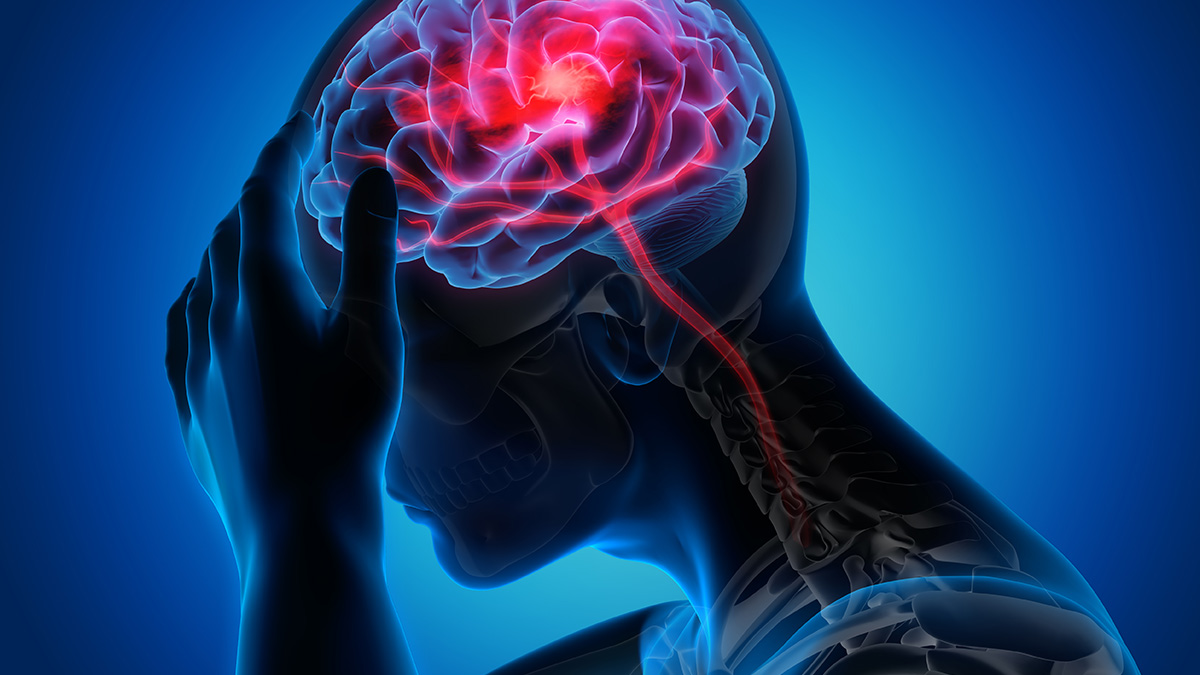
When it comes to complex vascular and cardiac surgeries, protecting the brain is just as important as treating the heart and blood vessels. During procedures such as TransCarotid Artery Revascularization (TCAR), Transcatheter Aortic Valve Replacement (TAVR), or bypass surgery, patients face an elevated risk of neurological complications. Ensuring continuous monitoring of cerebral blood flow is therefore essential to reducing the risk of emboli, vasospasm, or hypoperfusion.
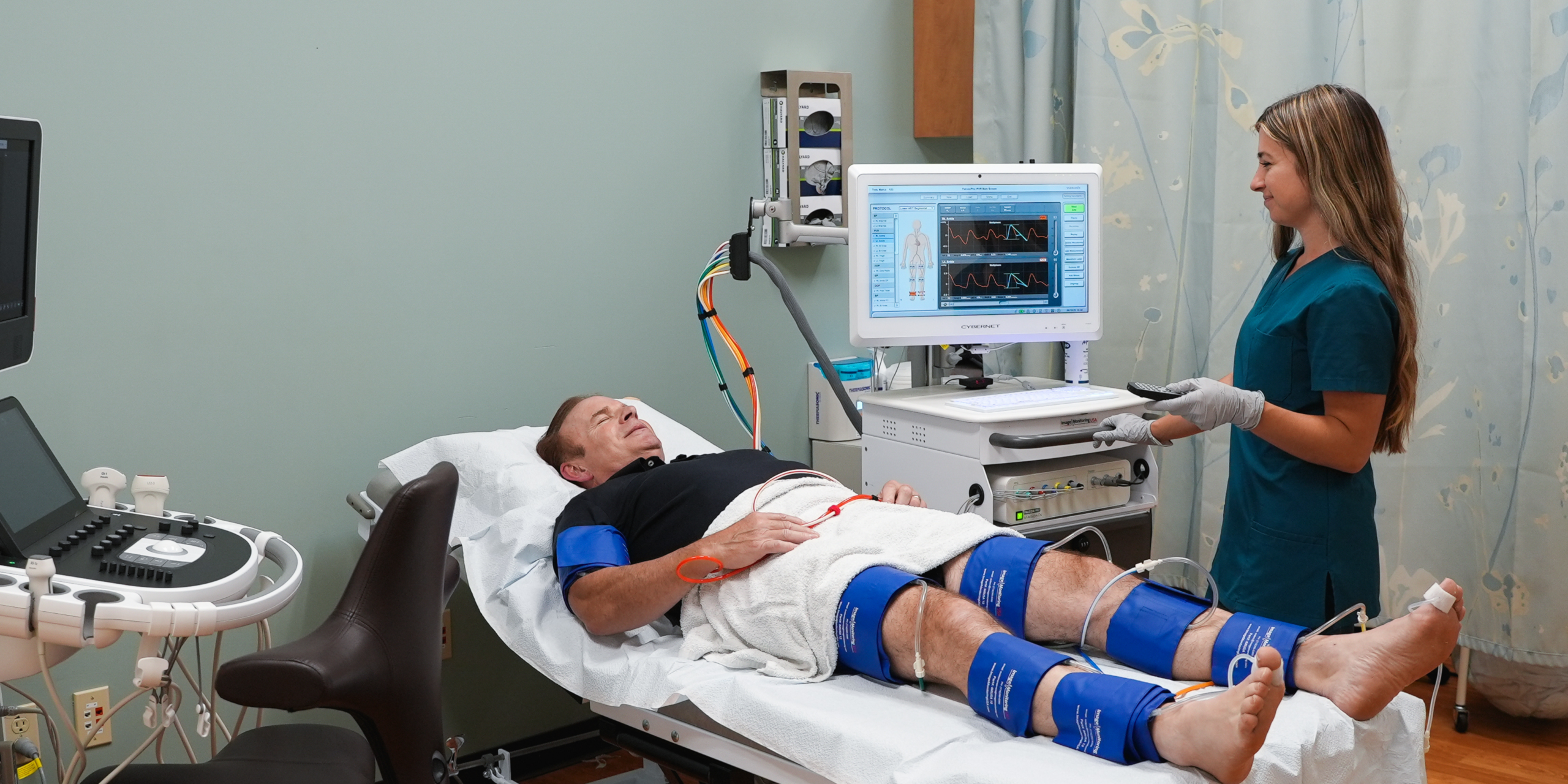
The Dolphin Transcranial Doppler (TCD) system from Image Monitoring USA offers a cutting-edge solution for intraoperative neuro monitoring. By delivering real-time insights, it gives surgeons the confidence to act quickly and protect neurological function throughout the procedure.
Why Intraoperative Neuro Monitoring is Critical
Surgical interventions on the heart and blood vessels often place patients at risk of neurological injury. Potential complications include:
- Emboli: Small clots or debris that can travel to the brain during surgery
- Vasospasm: Narrowing of cerebral arteries that restrict blood flow
- Hypoperfusion: Insufficient blood flow to brain tissue
Without immediate detection, these events can result in postoperative cognitive decline, transient ischemic attacks (TIAs), or stroke. Continuous intraoperative cerebral blood flow monitoring ensures any change in brain perfusion is detected instantly, giving surgical teams the opportunity to intervene before permanent damage occurs.
How Dolphin TCD Works in the Operating Room
The Dolphin TCD system is designed to deliver continuous, non-invasive cerebral monitoring during surgery. It measures blood flow velocities in real time, detecting abnormalities that indicate emboli, vasospasm, or hypoperfusion. Key benefits include:
- Real-time emboli detection with High Intensity Transient Signal (HITS) monitoring
- Continuous monitoring throughout surgery, not just snapshots
- Immediate reporting, enabling fast surgical adjustments
- Non-invasive and safe, with no added risk to the patient
Because the Dolphin TCD provides instant feedback, surgeons and anesthesiologists can make informed decisions on the spot, improving both short- and long-term outcomes.
Procedures That Benefit from Dolphin TCD
A wide range of vascular and cardiac surgeries can benefit from intraoperative neuro monitoring with Dolphin TCD, including:
- TransCarotid Artery Revascularization (TCAR): Continuous monitoring detects emboli during carotid stenting procedures, reducing the risk of perioperative stroke.
- Transcatheter Aortic Valve Replacement (TAVR): Embolic risk is high during valve deployment; TCD helps track cerebral circulation in real time.
- Bypass Surgery (CABG): Monitoring ensures adequate cerebral perfusion throughout the procedure.
- Carotid Endarterectomy (CEA): Detecting emboli and flow disruptions is critical for protecting neurological function.
In each of these procedures, Dolphin TCD provides surgeons with the assurance that cerebral blood flow is being monitored second by second, not after the fact.
Advancing Patient Safety and Surgical Outcomes
Intraoperative complications can have lifelong consequences for patients. By incorporating Dolphin TCD monitoringinto standard surgical protocols, hospitals and surgical centers can:
- Reduce the incidence of perioperative stroke
- Enhance patient safety during high-risk procedures
- Improve outcomes and recovery through immediate detection and intervention
- Provide clinical teams with confidence that neurological function is being safeguarded
The Dolphin TCD is more than a diagnostic tool—it is an essential component of modern surgical care.