Emboli Detection with Dolphin TCD: Setting the Gold Standard
Stroke prevention is one of the highest priorities in cardiovascular and neurovascular care, particularly for patients undergoing surgical or interventional procedures. One of the key risk factors for stroke is the presence of emboli—tiny clots, air bubbles, or debris that travel through the bloodstream and may obstruct cerebral arteries. Detecting emboli quickly and accurately is essential for protecting neurological function and improving patient outcomes.
The Dolphin Transcranial Doppler (TCD) system from Image Monitoring USA sets the gold standard for emboli detection. With advanced 3-point HITS (High Intensity Transient Signals) analysis, along with post-editing and trending capabilities, Dolphin provides clinicians with unmatched accuracy, reliability, and confidence in embolic monitoring.
Why Emboli Detection Matters
Emboli can originate from multiple sources during cardiovascular and neurovascular procedures, including:
- Cardiac interventions such as valve replacements (TAVR) or bypass surgery
- Vascular procedures like carotid stenting (TCAR) or endarterectomy
- Catheterization and angiography, where microbubbles or debris may be introduced
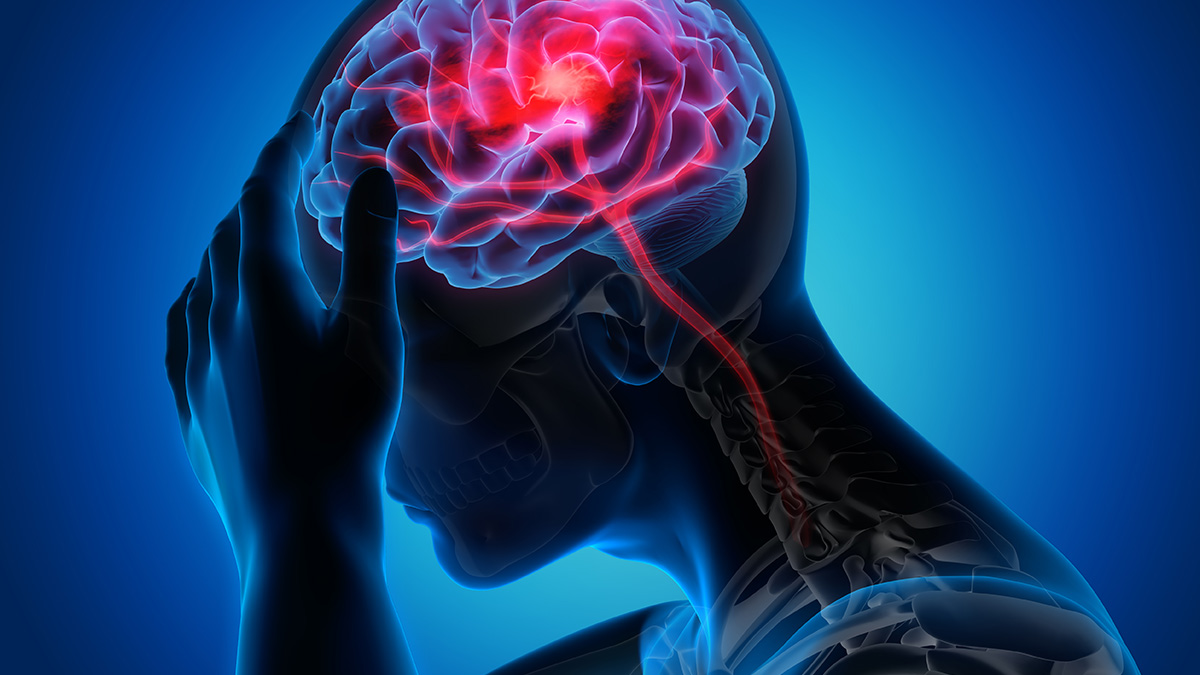
When emboli reach the brain, they can cause transient ischemic attacks (TIAs), cognitive decline, or full ischemic stroke. Without accurate monitoring, these events may go undetected until permanent damage occurs. This makes real-time emboli detection an indispensable part of neurovascular care.
The Challenge: Differentiating True Emboli from Artifacts
Traditional emboli detection has always faced a core challenge: distinguishing true embolic signals from artifacts such as patient movement or background noise. False positives can create unnecessary alarms, wasted clinical time, and reduced confidence in monitoring systems.
This is where Dolphin TCD transforms the field.
Dolphin TCD’s Proprietary 3-Point HITS Analysis
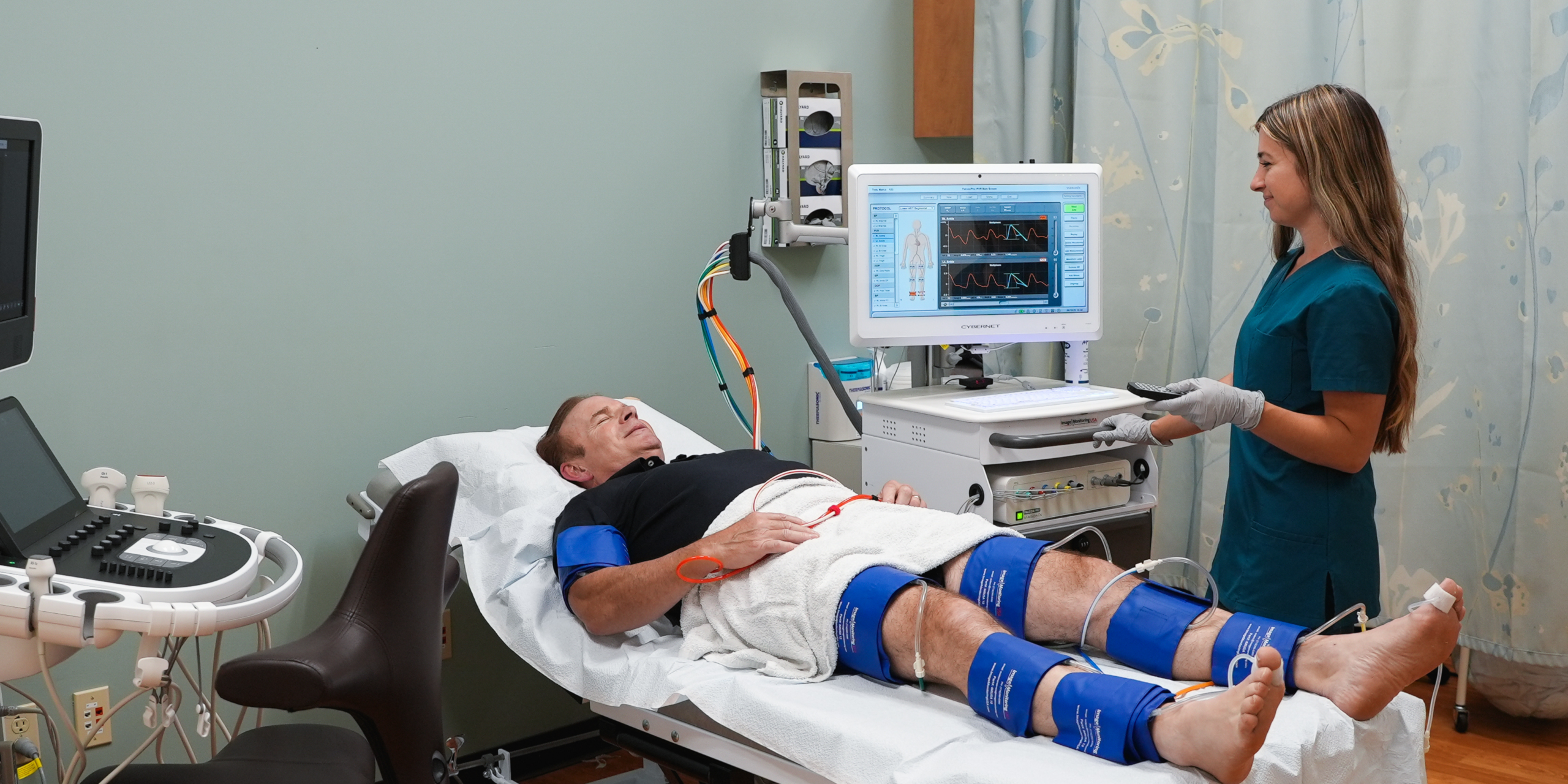
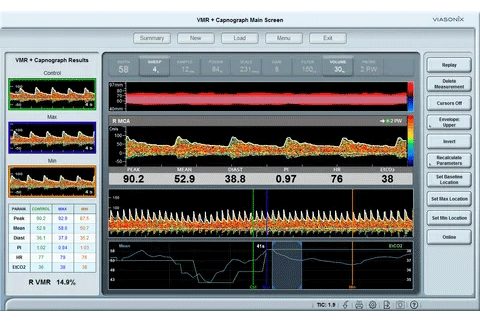
The Dolphin TCD system incorporates a proprietary 3-point emboli analysis algorithm to ensure that only true embolic signals are detected and recorded. By applying advanced signal processing, Dolphin minimizes false positives and provides a clear distinction between emboli and artifacts.
Key features include:
- 3-Point HITS Analysis: Proprietary technology that filters out noise and confirms embolic events with precision.
- Post-Editing Capabilities: Clinicians can review and validate data, ensuring accuracy and confidence in reporting.
- Trending Tools: Dolphin tracks embolic activity over time, providing a complete picture for both acute and long-term monitoring.
- Real-Time Alerts: Immediate detection allows providers to respond quickly to embolic events as they occur.
With these features, Dolphin TCD gives clinicians actionable insights and reliable emboli monitoring that other TCD systems simply cannot match.
Setting the Gold Standard in Emboli Detection
By combining high accuracy, reduced false positives, and advanced data analysis, Dolphin TCD has established itself as the gold standard in emboli detection. For hospitals, cardiovascular labs, and neuro monitoring centers, this means:
- Greater diagnostic confidence during high-risk interventions
- Improved workflow efficiency with fewer false alarms
- Enhanced patient outcomes through timely emboli detection and intervention
- Long-term monitoring capabilities for patients at ongoing risk of stroke
When it comes to emboli detection, accuracy is not optional—it’s life-saving. The Dolphin TCD system delivers exactly that.
Advancing Neurovascular Care
The future of stroke prevention and neuro monitoring lies in technologies that combine speed, accuracy, and usability. The Dolphin TCD exemplifies this approach, giving healthcare providers the tools they need to protect patients before neurological complications occur.
With its proprietary 3-point HITS analysis and comprehensive emboli detection workflow, Dolphin TCD continues to redefine standards in neurovascular monitoring.