Dolphin TCD vs. Other Neurovascular Tests
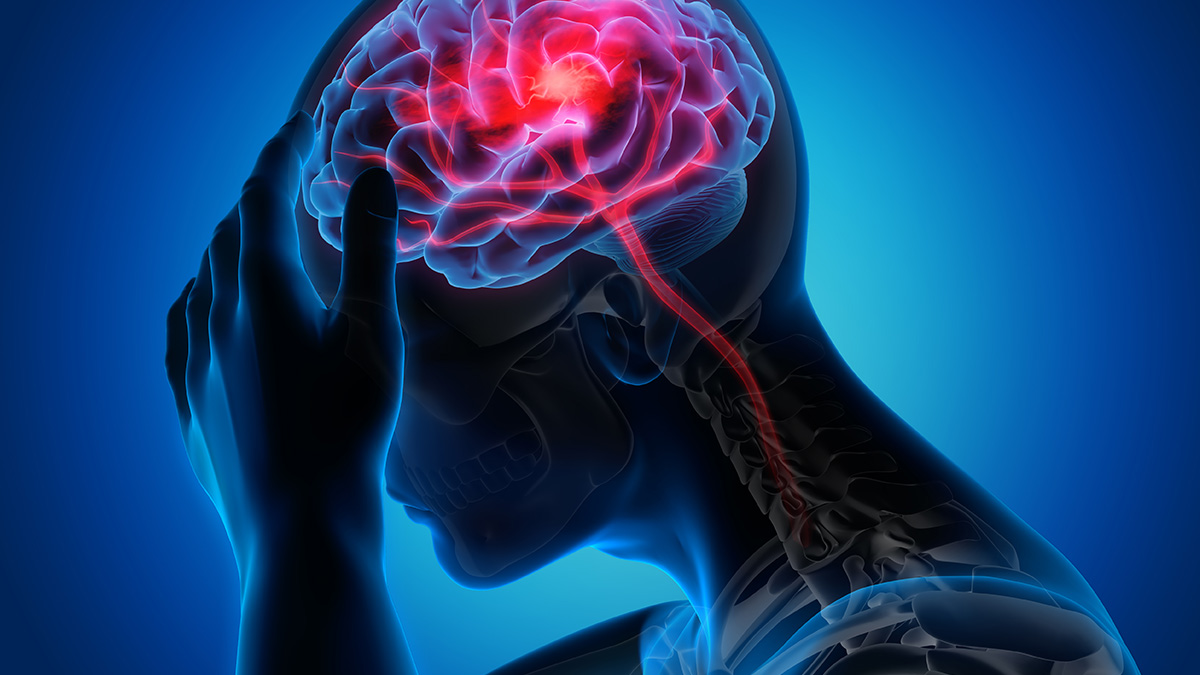
When evaluating patients with suspected stroke, transient ischemic attack (TIA), or other neurovascular conditions, imaging and monitoring tools play a critical role. Traditionally, clinicians have relied on CT (Computed Tomography)and MRI (Magnetic Resonance Imaging) to assess cerebral anatomy and identify abnormalities. While these modalities remain essential, they are not always practical for continuous monitoring or for use in time-sensitive scenarios.
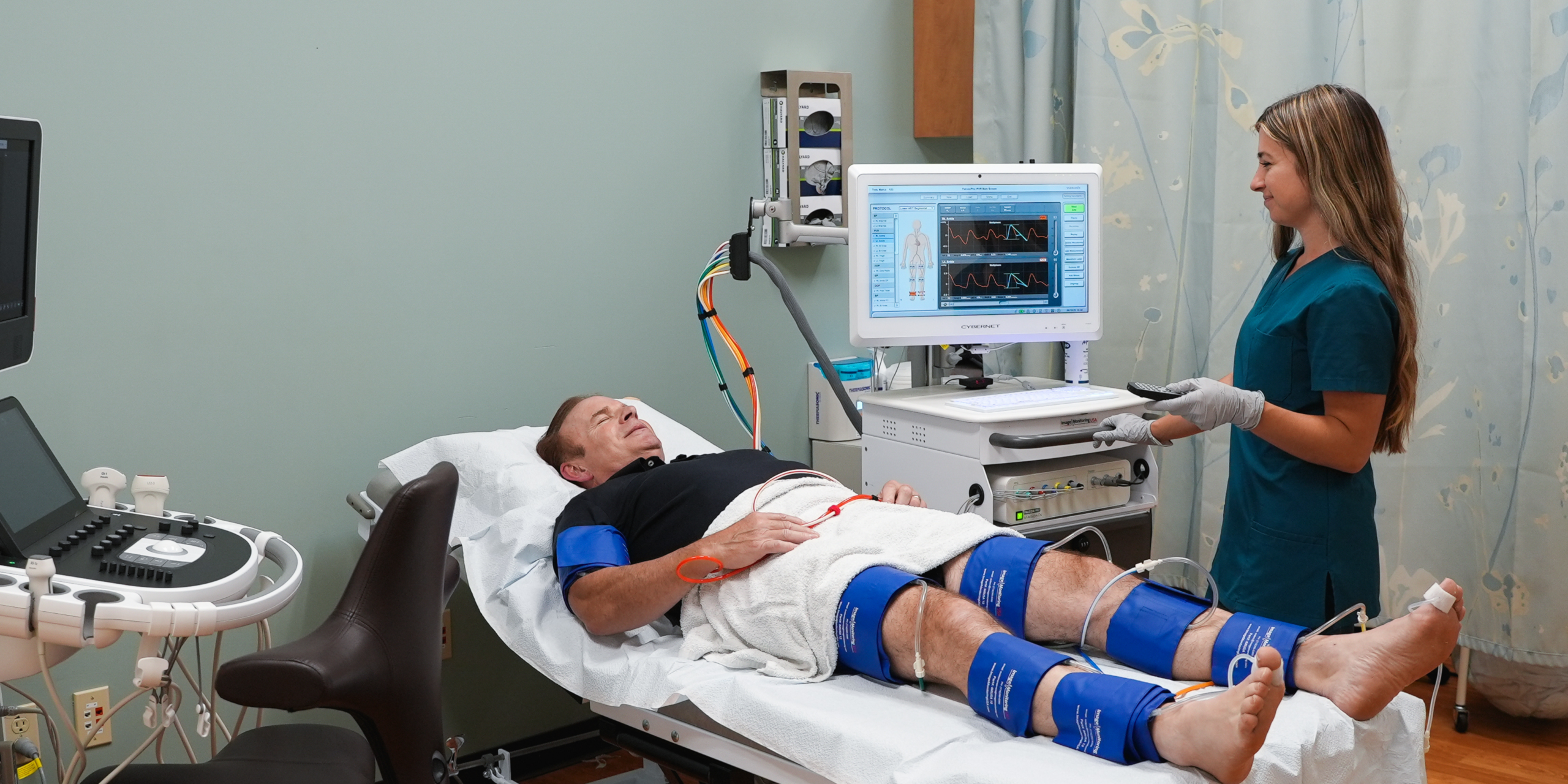
This is where Transcranial Doppler (TCD) ultrasound, and specifically the Dolphin TCD system from Image Monitoring USA, provides a unique and often superior advantage. By measuring blood flow velocities in real time, TCD delivers critical physiological information that static imaging tests simply cannot.
CT and MRI: Strengths and Limitations
Both CT and MRI scans are powerful tools in neurovascular care.
- CT Scans: Often the first-line imaging in acute stroke due to speed, CT can detect hemorrhage, large vessel occlusions, and structural abnormalities. However, it exposes patients to radiation and does not provide dynamic blood flow data.
- MRI: Known for its high-resolution detail, MRI can visualize soft tissues and detect ischemic injury earlier than CT. But MRI scans are expensive, time-consuming, and not always feasible in unstable or emergency cases.
While both are invaluable for anatomical imaging, neither provides real-time cerebral blood flow monitoring, limiting their role in continuous surveillance and intraoperative or ICU settings.
The Unique Advantages of TCD
Transcranial Doppler ultrasound fills the gap left by CT and MRI by focusing on blood flow physiology rather than static anatomy. Its benefits include:
- Portable and Bedside-Ready: Ideal for ICU, ER, and intraoperative monitoring.
- Radiation-Free and Safe: Suitable for repeated use, including in children and high-risk patients.
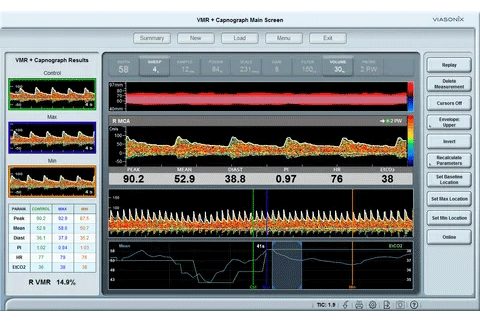
- Real-Time Hemodynamic Data: Detects emboli, vasospasm, and hypoperfusion as they happen.
- Cost-Effective: More affordable compared to MRI or CT, with faster setup times.
For patients requiring continuous monitoring or rapid decision-making, TCD is unmatched.
Why Dolphin TCD Stands Apart
Not all TCD systems are created equal. The Dolphin TCD from Image Monitoring USA offers advanced features that elevate it beyond traditional TCD solutions:
- Automation and Ease of Use: Streamlined workflows reduce operator dependency.
- Post-Editing Capabilities: Review and refine data for maximum accuracy.
- Advanced Software Algorithms: Proprietary emboli detection with 3-point HITS analysis.
- Continuous Monitoring: Real-time reporting for critical interventions.
- Superior Clinical Integration: Designed for cardiovascular, neurovascular, and critical care settings.
With these capabilities, Dolphin TCD is more than a diagnostic tool—it is a comprehensive monitoring system that complements and enhances traditional imaging modalities.
Clinical Applications in Critical Care
In emergency and critical care settings, time is everything. CT and MRI require patient transport, scheduling, and interpretation delays, which may not be feasible for unstable patients. By contrast, Dolphin TCD can be deployed at the bedside within minutes, giving clinicians immediate insight into cerebral hemodynamics.
Applications include:
- Stroke triage and monitoring
- Post-cardiac or vascular surgery emboli detection
- Vasospasm monitoring in subarachnoid hemorrhage patients
- Real-time cerebral perfusion assessment in ICU patients
This makes Dolphin TCD not only complementary to CT and MRI, but often the first-line tool for monitoring ongoing cerebral events.
Dolphin TCD: A Superior Partner in Neurovascular Care
While CT and MRI remain irreplaceable for anatomical imaging, they cannot match TCD’s ability to track cerebral blood flow continuously and safely. With its advanced automation, post-editing tools, and real-time monitoring, the Dolphin TCD system sets a new standard in neurovascular diagnostics and critical care.
For clinicians who need both speed and accuracy, Dolphin TCD is not just an alternative—it’s a necessary complement to traditional imaging, ensuring that no critical change in cerebral blood flow goes undetected.