The Future of Non-Invasive Vascular Testing
The landscape of modern medicine is changing. As healthcare systems worldwide move toward preventive care and early detection, the demand for safe, efficient, and patient-friendly diagnostic tools is greater than ever. In vascular and neurovascular medicine, this shift is being driven by advances in non-invasive diagnostics.
Systems like the Falcon Peripheral Vascular Diagnostic (PVD) system and the Dolphin Transcranial Doppler (TCD) system from Image Monitoring USA are at the forefront of this transformation. By delivering fast, accurate, and non-invasive results, these platforms are shaping the future of vascular care and helping clinicians detect disease earlier than ever before.
Why Non-Invasive Testing is the Future
Traditional vascular diagnostics often rely on imaging methods such as CT angiography, MRI or a complete Ultrasound scan. While highly effective, these methods are costly, time-consuming, and sometimes expose patients to radiation or contrast dye. For routine monitoring and preventive testing, these limitations can hinder patient care.
Non-invasive vascular testing addresses these challenges by offering:
- Safety: No radiation or contrast agents, making it safe for repeat testing.
- Accessibility: Portable and easy-to-use systems that can be deployed in clinics, hospitals, and even at the bedside.
- Speed: Immediate results with comparison trends that enable quicker clinical decisions.
- Patient Comfort: Non-invasive methods reduce anxiety and discomfort, encouraging compliance.
These advantages make non-invasive diagnostics an ideal fit for preventive medicine, where the goal is to identify risks early and intervene before serious complications occur.
Falcon PVD: Advancing Peripheral Vascular Care
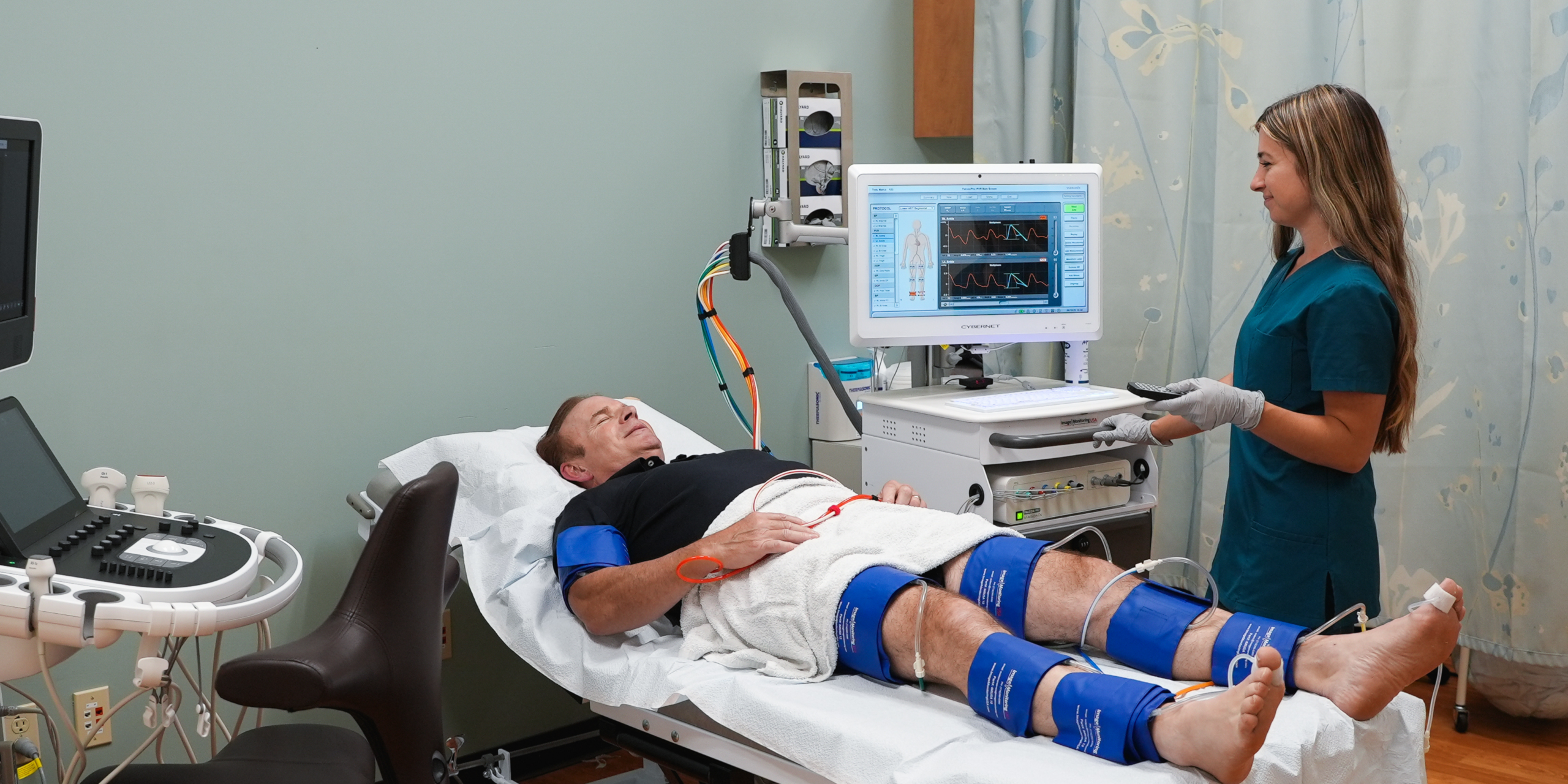
The Falcon PVD system is redefining how clinicians detect and manage Peripheral Arterial Disease (PAD). By automating key tests such as ABI (Ankle-Brachial Index), TBI (Toe-Brachial Index), segmental pressures, and Pulse Volume Recordings (PVR), Pulse Wave Velicity (PWV) and Spectral Doppler the Falcon PVD testing system improves accuracy and reduces testing time.
For busy clinics and primary care offices, Falcon makes PAD screening both accessible and efficient—helping providers diagnose patients earlier, prevent complications, and save lives.
Dolphin TCD: Redefining Neurovascular Monitoring
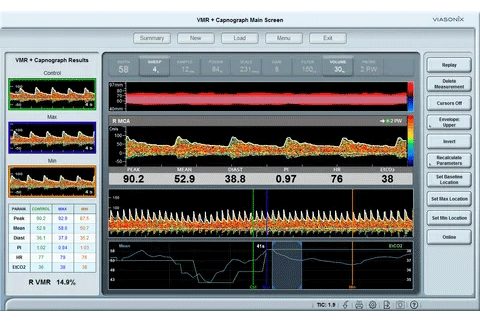
The Dolphin TCD system provides a new level of precision in neurovascular diagnostics. By measuring cerebral blood flow in real time, Dolphin detects critical conditions such as emboli, vasospasm, hypoperfusion, and right-to-left shunts also known as a PFO.
Its advanced features, including 3-point HITS/Emboli analysis, post-editing, and continuous monitoring, make Dolphin indispensable in settings ranging from stroke prevention clinics to operating rooms. For patients, Dolphin’s non-invasive, radiation-free approach means safer monitoring that can be repeated as often as needed.
A Future Built on Prevention
As the burden of cardiovascular and neurovascular disease continues to rise, the future of care depends on earlier detection and proactive management. Non-invasive diagnostics like Falcon and Dolphin are paving the way by enabling:
- Routine screening in primary care and specialty settings
- Preventive interventions that reduce long-term costs and improve outcomes
- Real-time monitoring during high-risk procedures and critical care
- Patient-centered care that prioritizes comfort, safety, and trust
By combining innovation, accuracy, and accessibility, Falcon and Dolphin are not only keeping pace with the future of medicine—they are helping define it.
The Road Ahead
Non-invasive vascular testing is no longer a supplement to traditional imaging—it’s becoming the standard of care for prevention, monitoring, and long-term management. With ongoing advancements in automation, reporting, and ease of use, systems like Falcon and Dolphin will continue to set the benchmark for vascular and neurovascular diagnostics.
For providers, that means more confidence in decision-making. For patients, it means safer, faster, and more comfortable care. For healthcare as a whole, it means better outcomes and lower costs.