Segmental Pressures and PVR Explained
Peripheral Arterial Disease (PAD) is a serious but often silent condition that affects millions of Americans. When left undiagnosed, PAD can progress to cause strokes, heart attacks, or even limb loss. Detecting it early requires more than just a general screening—it often requires a closer look at exactly where blockages are occurring and how severe they are.
That’s where segmental pressure testing and Pulse Volume Recordings (PVR) come in. These two vascular diagnostic tests provide clinicians with detailed, reliable insights into arterial health. With advanced tools like the Falcon Peripheral Vascular Diagnostic (PVD) system from Image Monitoring USA, providers can perform these tests with speed, accuracy, and reproducibility—improving both patient outcomes and clinic efficiency.
What is Segmental Pressure Testing?
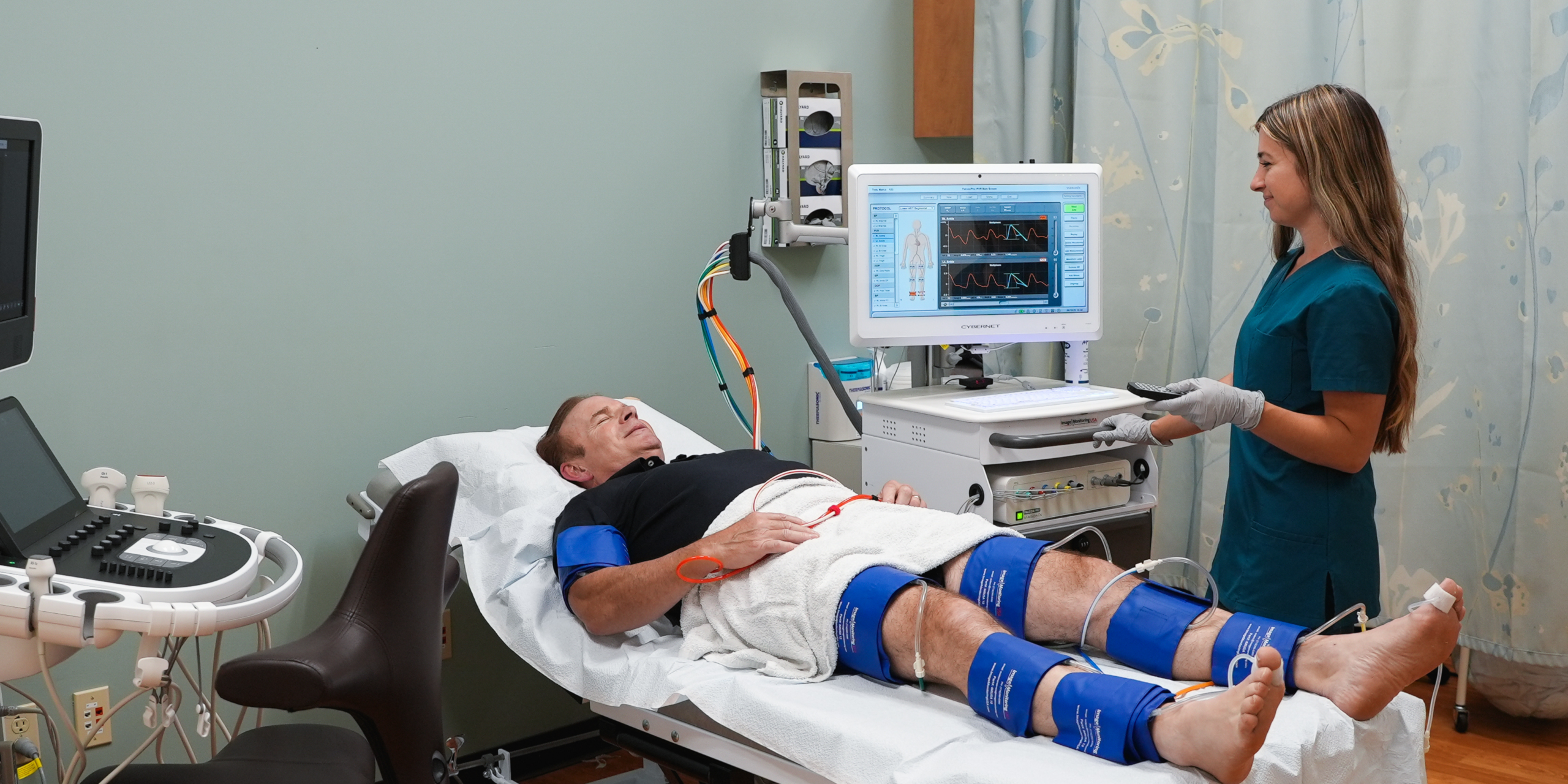
Segmental pressure testing measures blood pressure at multiple levels of the leg using inflatable cuffs. By comparing these pressures, clinicians can identify:
- The location of arterial blockages
- The severity of reduced blood flow
- Whether blockages are isolated or more widespread
For example, if pressure is normal at the thigh but significantly lower at the calf, the blockage is likely located between those levels. This level of detail helps guide treatment decisions, whether that means medication, lifestyle modification, or surgical intervention.
What are Pulse Volume Recordings (PVR)?
Pulse Volume Recordings (PVR) measure changes in blood volume within the limb with each heartbeat. Using specialized cuffs and waveform capture, PVR provides valuable information on how blood is moving through the arteries.
Key advantages of PVR include:
- Non-invasive and painless testing
- Waveform analysis that indicates both severity and volume of blood flow could discover or indicate collateral flow to negate intervention
- Complementary data to ABI, TBI, and segmental pressures
PVR is especially useful in patients with calcified arteries, such as those with diabetes or chronic kidney disease, where pressure measurements alone may not provide the full picture.
Why Segmental Pressures and PVR Work Together
While ABI and TBI provide important screening data, segmental pressures and PVR add another layer of detail. Together, they allow clinicians to pinpoint blockages and fully assess arterial function. This ensures that diagnosis and treatment plans are accurate, targeted, and effective.
How Falcon Streamlines Testing
The Falcon PVD system simplifies segmental pressure and PVR testing by integrating advanced automation and workflow tools, including:
- Automatic cuff selection for faster and easier test setup
- Automation eliminates excessive button pushing to reduce exam time while enhancing workflow efficiency.
- Simultaneous pressure and waveform capture for comprehensive results
- Reproducibility features that reduce operator dependency
- Clear reporting tools that make explaining results to patients simple and effective
By making these tests more efficient, Falcon allows busy clinics and vascular labs to provide high-quality care without sacrificing time or accuracy.
Helping Patients Understand Their Results
Explaining test results to patients is just as important as performing the tests themselves. With segmental pressure and PVR testing, clinicians can show patients where blockages exist and how they impact blood flow. This makes vascular health tangible, helping patients:
- Understand the seriousness of PAD
- See the direct benefits of treatment
- Stay compliant with lifestyle changes and medications
When patients understand their results, they are far more likely to follow through with treatment plans—leading to better long-term outcomes.
The Bottom Line
Segmental pressures and PVR testing provide detailed, actionable insights into vascular health that go beyond basic screenings. With the Falcon PVD system, these tests become faster, more accurate, and easier to explain to patients. For healthcare providers, that means better diagnostic confidence. For patients, it means earlier detection, more personalized treatment, and greater peace of mind.