Why Every Cardiovascular or Neuro Lab Needs Dolphin TCD
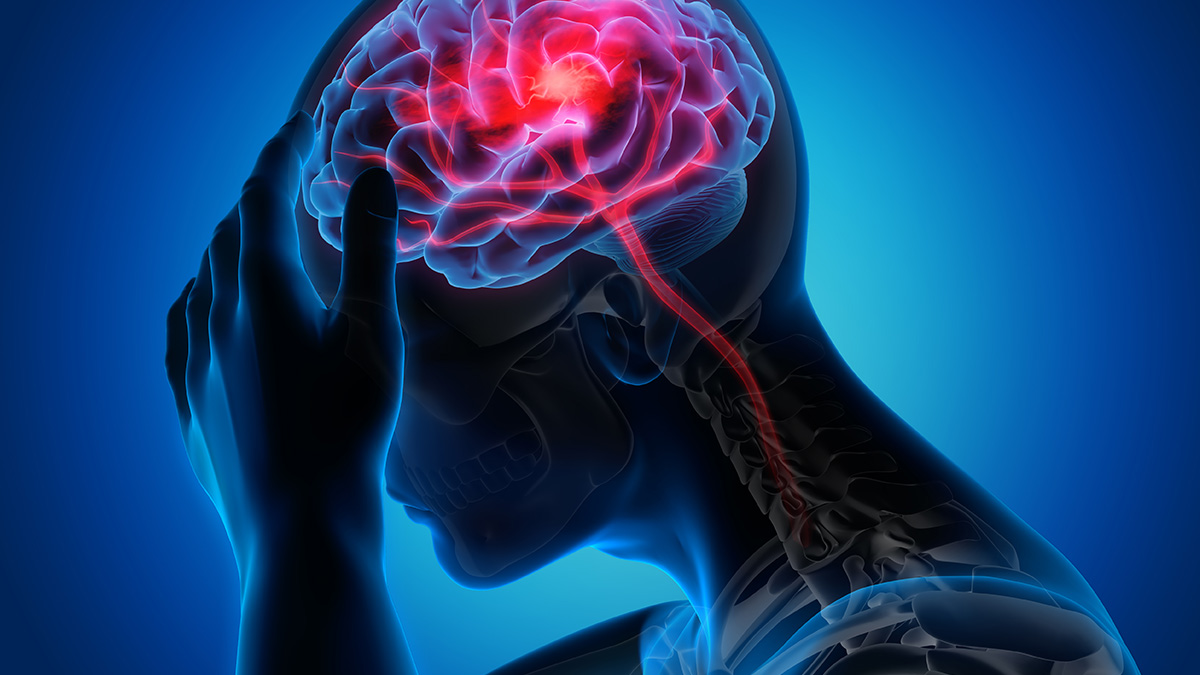
In the world of cardiovascular and neurodiagnostics, precision and efficiency are non-negotiable. One condition that highlights the importance of accurate testing is Patent Foramen Ovale (PFO), a small opening in the heart that fails to close after birth. Surprisingly, PFO is present in nearly 25% of the population. While it may be harmless for many, for others it can play a critical role in recurrent transient ischemic attacks (TIAs), migraines with aura, or cryptogenic strokes (strokes of unknown origin).
For clinicians and diagnostic labs, detecting a PFO accurately and quickly is essential. That’s where the Dolphin Transcranial Doppler (TCD) system from Image Monitoring USA comes in.
PFO Detection: Why It Matters
A Patent Foramen Ovale creates a pathway for blood clots or air bubbles to pass from the right side of the heart directly into the brain, bypassing the lungs’ filtering system. This can lead to serious neurological events if undetected. Identifying a PFO not only answers the “why” behind unexplained strokes or migraines but also informs treatment options such as anticoagulation or closure procedures.
Without the right diagnostic tool, PFOs may go unnoticed or be misdiagnosed, leaving patients vulnerable to recurrent, preventable events.
TCD with Contrast: The Gold Standard
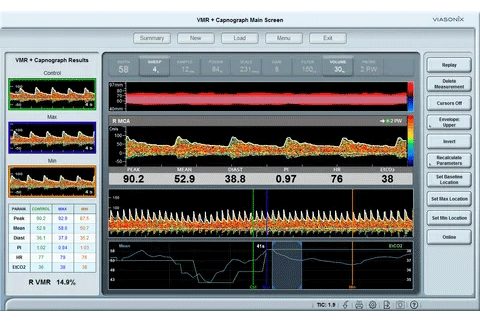
While imaging tests like echocardiography are commonly used, Transcranial Doppler with contrast has emerged as the gold standard for right-to-left shunt detection. By monitoring blood flow velocities in cerebral arteries, TCD detects the passage of microbubbles introduced during a contrast injection. When bubbles appear in the cerebral circulation, it confirms the presence of a shunt such as a PFO.
Compared to imaging alternatives, TCD with contrast offers distinct advantages:
- Higher sensitivity in detecting small shunts
- Immediate bedside results, no waiting for scans or interpretation
- Non-invasive and repeatable, without radiation exposure
- Lower cost compared to echocardiography and MRI
Dolphin TCD: Redefining Reliability and Accuracy
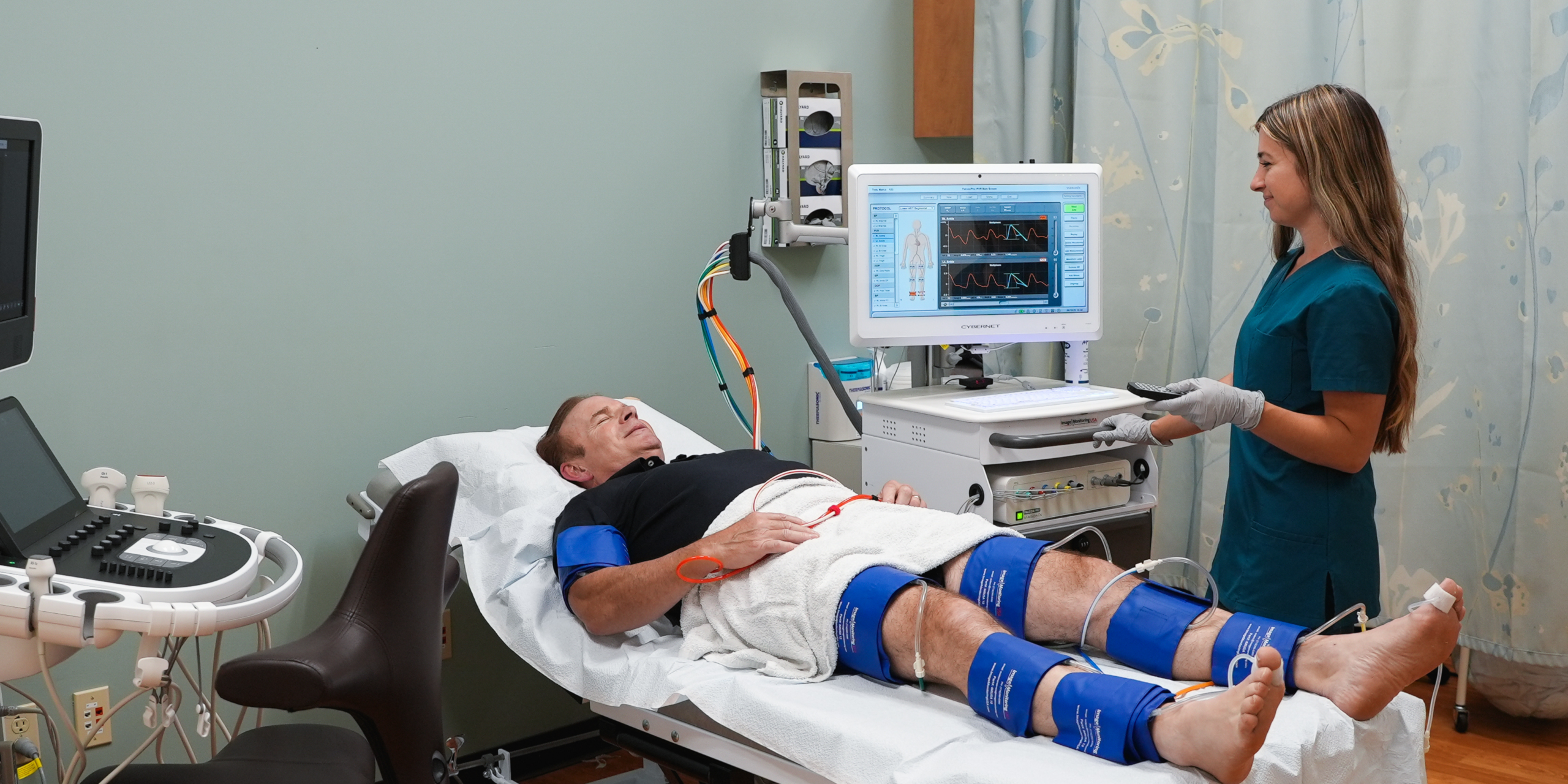
The Dolphin TCD system by Image Monitoring USA takes this gold standard even further. Designed for cardiovascular labs and neuro labs, Dolphin TCD combines ease of use with unmatched accuracy. Key features include:
- Reliable right-to-left shunt detection using contrast-enhanced protocols
- Real-time emboli and microbubble monitoring with advanced signal clarity
- User-friendly interface that reduces operator dependency
- Immediate reporting, enabling clinicians to make decisions on the spot
This combination makes Dolphin TCD not just a diagnostic tool, but a critical part of a lab’s stroke prevention and migraine evaluation workflow.
Why Cardiovascular and Neuro Labs Can’t Afford to Miss Dolphin TCD
Every cardiovascular and neuro lab faces the challenge of delivering faster, more precise diagnoses while improving patient outcomes. By incorporating Dolphin TCD, labs can:
- Expand diagnostic capabilities beyond traditional imaging tests
- Improve patient care by detecting PFOs and shunts with accuracy
- Enhance workflow efficiency with immediate, point-of-care results
- Support clinical decisions in managing patients with recurrent TIAs, cryptogenic strokes, or migraine disorders
With PFO present in one in four patients, the ability to rule in or rule out a shunt should be a standard part of modern cardiovascular and neurological care.
The Future of Shunt Detection and Stroke Prevention
As medicine continues to shift toward preventive care and precision medicine, tools like the Dolphin TCD will become indispensable. By giving clinicians rapid, reliable insights into cerebral blood flow and shunt presence, Dolphin TCD helps uncover hidden causes of stroke and migraine—and empowers providers to take action before lasting damage occurs.