Understanding PAD: Why Early Diagnosis Saves Lives
Peripheral Arterial Disease (PAD) is one of the most underdiagnosed yet life-threatening vascular conditions in the world. Often referred to as a “silent disease,” PAD develops when plaque builds up in the arteries that supply blood to the limbs, most commonly the legs. This narrowing of the arteries reduces blood flow and can lead to pain, mobility issues, and—in severe cases—serious complications like heart attack, stroke, or limb amputation.
The tragedy is that PAD frequently goes undetected until it is advanced. Early diagnosis, however, can dramatically improve patient outcomes, prevent complications, and even save lives.
Why PAD is So Dangerous
PAD is closely linked with other forms of cardiovascular disease. Patients with PAD are at significantly higher risk of:
- Heart Attack – Plaque buildup doesn’t just occur in the legs; it’s often present in the coronary arteries as well.
- Stroke – Reduced circulation and emboli formation can contribute to cerebrovascular events.
- Amputation – Severe PAD can cause critical limb ischemia, leading to tissue death and the need for surgical amputation.
Because many people with PAD may not notice symptoms in the early stages—or may mistake them for natural aging—it often goes undiagnosed until it’s too late.
The Importance of Early PAD Detection
Detecting Peripheral Arterial Disease early allows physicians to intervene before permanent damage occurs. With early diagnosis, patients can benefit from:
- Lifestyle Changes: Quitting smoking, improving diet, and increasing physical activity can slow or even stop disease progression.
- Medical Interventions: Medications can reduce blood clot risk, improve blood flow, and manage cholesterol.
- Minimally Invasive Procedures: Endovascular treatments or bypass surgery can restore circulation before amputation becomes necessary.
Simply put, early PAD detection doesn’t just prevent discomfort—it saves lives.
Physiologic Vascular Testing: A Proven Diagnostic Tool
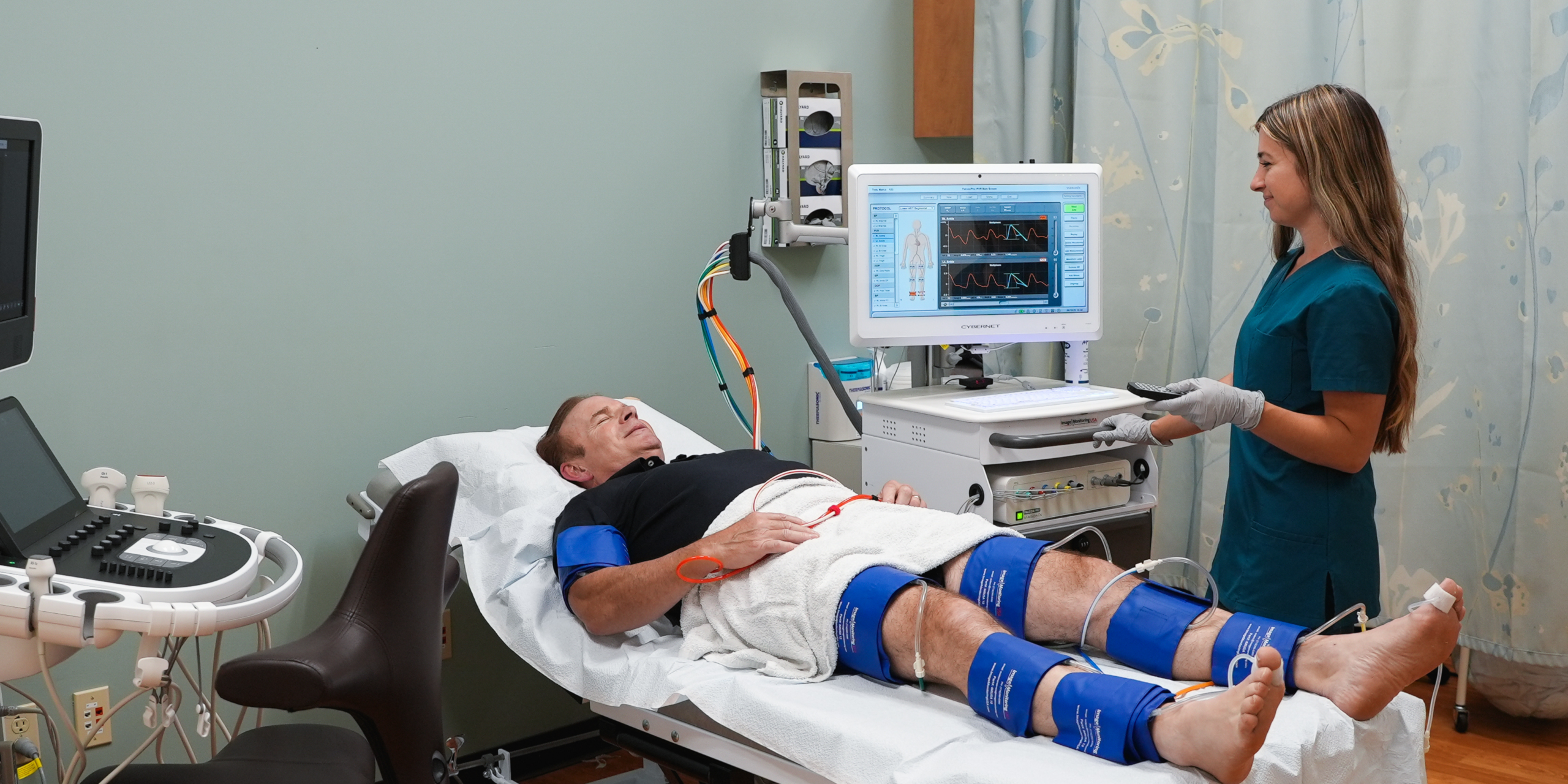
Traditional imaging tests like CT angiography or MRI can help visualize arteries but may not be practical for routine screening. Instead, physiologic vascular testing—which measures blood flow and pressure changes in the limbs—provides a safe, non-invasive, and highly accurate way to detect PAD early.
Testing methods may include:
- Ankle-Brachial Index (ABI): Compares blood pressure in the ankle and arm to detect reduced circulation.
- Pulse Volume Recordings (PVR): Measures blood volume changes in the legs with each heartbeat.
- Segmental Pressures: Identifies the specific artery segments with blockages.
Falcon PVD: Raising the Bar for PAD Diagnosis
The Falcon Peripheral Vascular Diagnostic (PVD) systems from Image Monitoring USA make PAD testing easier, faster, and more accurate than ever. Designed for clinical efficiency and diagnostic precision, Falcon PVD offers:
- Advanced Automation: Streamlined testing protocols that minimize operator variability.
- Comprehensive Diagnostics: ABI, PVR, segmental pressures, and more—all in one system.
- Time Efficiency: Faster results without compromising accuracy.
- Patient Comfort: Non-invasive, painless, and radiation-free testing.
By equipping vascular labs, cardiology clinics, and primary care offices with Falcon PVD systems, providers can detect PAD earlier and prevent its most devastating consequences.
Saving Lives Through Early PAD Diagnosis
Peripheral Arterial Disease doesn’t have to be a silent killer. With routine vascular testing and early diagnosis, patients can take steps to manage their condition and avoid catastrophic complications like stroke, heart attack, or limb loss.
The combination of awareness, proactive screening, and advanced tools like Falcon PVD systems gives healthcare providers the ability to fight PAD head-on—improving quality of life and saving lives in the process.